Empowering Youth Through Mentoring in Coastal NC

Updated: Sep 23
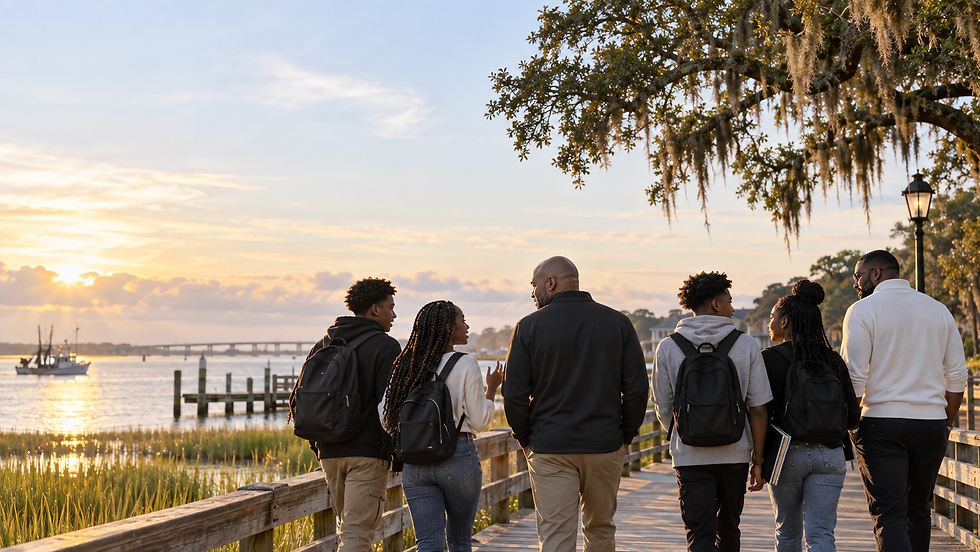
Mentoring plays a crucial role in shaping the future of our youth, especially in coastal North Carolina. With its unique blend of natural beauty and cultural richness, this region offers fertile ground for nurturing young minds. Through mentoring, we can provide guidance, support, and opportunities that empower youth to reach their full potential. This blog post explores the importance of mentoring, the challenges faced by young people in coastal NC, and how effective mentoring programs can make a significant difference.
Understanding the Need for Mentoring
The Challenges Faced by Youth in Coastal NC
Coastal North Carolina is known for its stunning beaches and vibrant communities, but it also faces challenges that can hinder the growth of its youth. Many young people in this region encounter issues such as:
Limited Access to Resources: In some areas, youth may lack access to educational resources, extracurricular activities, and career development opportunities.
Economic Disparities: Economic challenges can affect families, leading to stress and instability that impact young people's well-being.
Social Isolation: The geographical spread of coastal communities can lead to feelings of isolation, making it difficult for youth to connect with peers and mentors.
The Importance of Mentoring
Mentoring provides a solution to these challenges by offering young people the support they need to navigate their formative years. Here are some key benefits of mentoring:
Guidance and Support: Mentors can offer valuable advice and encouragement, helping youth make informed decisions about their education and future careers.
Skill Development: Through mentoring relationships, young people can develop essential life skills, such as communication, problem-solving, and leadership.
Increased Confidence: A supportive mentor can help boost a young person's self-esteem, encouraging them to pursue their passions and goals.
Building Effective Mentoring Programs
Identifying Potential Mentors
To create successful mentoring programs, it is essential to identify individuals who can serve as effective mentors. Potential mentors can include:
Community Leaders: Local business owners, educators, and civic leaders can provide valuable insights and connections.
College Students: Young adults who have recently navigated similar challenges can relate to mentees and offer relevant advice.
Professionals: Individuals with expertise in various fields can help youth explore career options and develop necessary skills.
Creating a Structured Program
A well-structured mentoring program can enhance the effectiveness of the mentoring relationship. Key components of a successful program include:
Clear Objectives: Establish specific goals for the mentoring relationship, such as improving academic performance or developing career skills.
Training for Mentors: Provide training to mentors on effective communication, active listening, and goal-setting techniques.
Regular Check-Ins: Schedule regular meetings between mentors and mentees to assess progress and address any challenges.
Success Stories from Coastal NC
Case Study: The Coastal Youth Mentoring Initiative
One notable example of a successful mentoring program in coastal North Carolina is the Coastal Youth Mentoring Initiative. This program pairs local youth with mentors from various backgrounds, focusing on academic achievement and personal growth.
Key Achievements:
Improved Academic Performance: Participants in the program have shown a marked improvement in their grades and school attendance.
Increased Community Engagement: Mentees have become more involved in community service projects, fostering a sense of belonging and responsibility.
Testimonials from Participants
Hearing from those directly impacted by mentoring can provide powerful insights into its effectiveness. Here are a few testimonials from participants in the Coastal Youth Mentoring Initiative:
Mentee: "My mentor helped me believe in myself. I never thought I could go to college, but now I’m applying to schools!"
Mentor: "Seeing my mentee grow and achieve their goals has been one of the most rewarding experiences of my life."
How to Get Involved
Becoming a Mentor
If you are interested in making a difference in the lives of young people in coastal NC, consider becoming a mentor. Here are some steps to get started:
Research Local Programs: Look for established mentoring programs in your area that align with your interests and expertise.
Attend Orientation Sessions: Many programs offer orientation sessions for prospective mentors to learn more about the commitment involved.
Commit to Regular Meetings: Establish a schedule for regular meetings with your mentee to build a strong relationship.
Supporting Mentoring Initiatives
If mentoring isn’t the right fit for you, there are other ways to support youth mentoring initiatives:
Volunteer for Events: Many programs host events that require volunteers for planning and execution.
Donate Resources: Consider donating books, supplies, or funds to support mentoring programs in your community.
Spread the Word: Share information about mentoring opportunities with your network to encourage others to get involved.
The Future of Mentoring in Coastal NC
Expanding Reach and Impact
As we look to the future, it is essential to expand the reach and impact of mentoring programs in coastal North Carolina. This can be achieved through:
Partnerships with Schools: Collaborating with local schools can help identify students who would benefit from mentoring.
Incorporating Technology: Utilizing online platforms can connect mentors and mentees, especially in remote areas.
Engaging Local Businesses: Encouraging businesses to support mentoring initiatives can provide additional resources and opportunities for youth.
Measuring Success
To ensure the effectiveness of mentoring programs, it is crucial to measure their success. This can be done through:
Surveys and Feedback: Collecting feedback from mentors and mentees can provide insights into the program's strengths and areas for improvement.
Tracking Outcomes: Monitoring academic performance, graduation rates, and community involvement can help assess the long-term impact of mentoring.
Conclusion
Mentoring is a powerful tool for empowering youth in coastal North Carolina. By providing guidance, support, and opportunities, we can help young people overcome challenges and achieve their dreams. Whether you choose to become a mentor or support mentoring initiatives in other ways, your involvement can make a significant difference in the lives of youth in our communities. Together, we can build a brighter future for the next generation.

Comments